

I recently wrote about the importance of having clear commercial processes and roles in place. How CRM and other Sales Enablement tools can strongly support commercial teams and leaders to become more effective and efficient, especially when the tools match with the commercial processes
So, all ingredients in place for successful commercial and digital transformations?
In this blog I will share my experience on what contributes to successful commercial and digital transformations, to successful change management.
Reasons for Change
Globalisation and constant innovation of technology result in a constantly evolving business environment. More precisely, the drivers of change may include digitalisation, internal reviews of processes, crisis response, customer demand changes, competitive pressure, M&As, organisational restructuring, etc. Covid19 accelerated some of these drivers, like digitalisation, resulting in for example different buying behaviour and a different role of sales reps. Furthermore, the increase of easily accessible information resulted in more transparency, more insights but also more complexity, which also changed the role of commercial/sales teams.
It is therefore important that organisations have the ability to manage and adapt to changes effectively, in order to stay, become or improve being customer centric, competitive and profitable.
Response to change
Major and rapid organisational changes are often difficult to achieve due to imbedded ways of working and routines of organizations and its people. Often resistance to change exists even as the current environment of organizations changes rapidly.
Why?
Change is scary, it makes people uncertain about their ability to adapt to the ‘new’ way of working. Or because they are not convinced yet that the new way of working is better than the current way of working. Sometimes new ways of working, including the effective and efficient usage of CRM and other sales enablement tools, look easy but they aren’t.
For example: as a sales rep you are used to transactional and product way of selling, quickly discuss and negotiate on price with your customer, present the newest product and service features and solve problems and service issues.
And now you are requested to really prepare a customer visit/contact well, define clear objectives of the meeting, identify opportunities based on analysis of all kinds quantitative and qualitative information, carry out buying centre analysis and follow up and meet with other key decision makers at the buying side……….something you have never done before…..
Then you have to ask in-depth, relevant questions to find out the customer needs and link that with the identified opportunities and avoid too quickly negotiating on price….
This is for many salespeople quite a change….
Leave alone the usage of a new tool, a change in itself.
So, what contributes to effective and successful commercial & digital change?
- A structured approach with key success factors
- An agile L&D program
- A Change Management approach which ensures improvements embed in the organisation
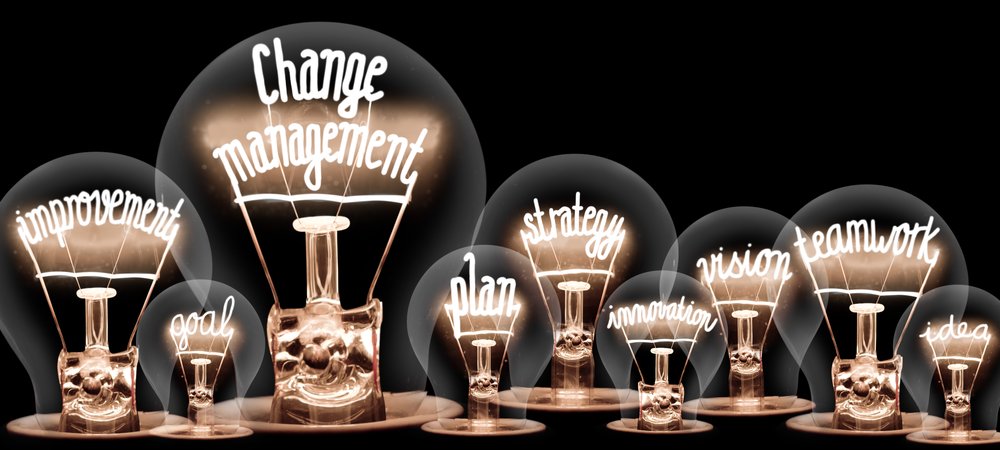
1. A structured approach with key success factors
A Commercial Excellence project plan will consist of clear objectives, timelines/deadlines, resources needed, stakeholder management, actions, tasks and activities, like:
- Analyse the current state: field research of the current way of working, including:
- customer contact process: how business is developed with existing customers, including contracting
- lead management: how qualified leads are acquired which are successfully turned into new customers
- usage of content, revenue/data and customer Intelligence
- tool usage: CRM and other Sales Enablement tools
- how people are managed, coached, mentored and developed
- how (leadership) capabilities support ‘what excellence looks like’
- how people work together (Marketing-Sales-CS-Digital, Key Account – local Sales, ‘Verticals’-local Sales, etc) to become customer centric
- Define success: objectives are defined with key stakeholders and (top) management on where you want to be. ‘Desired state’ defines ‘what excellence looks like’ of all items mentioned in ‘current state’
- Make a gap analysis: a gap analysis is made on differences between ‘current and desired state’
- Use a top-down and bottom-up approach
- Bottom-up: Co-design the commercial processes in project groups, build the content as defined in desired state for People-Tools-Processes
- Top-down: Establish a Steering committee with (top) Commercial Management. Clearly define and discuss their role. Make sure they are totally and actively involved, endorse all activities/plans/objectives of the commercial and digital transformation program.
- Role Sales Manager: identify the direct Sales Manager as Change Manager. This has impact on the agile L&D program I will write about in future blogs
- Monitoring success and progress with quantitative and qualitative KPIs
- Exchange best practices and celebrate Success
- Set up a communication plan to inform your organisation about the program and its objectives (the Why, What, How, When)
- Design an agile L&D program: tailor-made, based on the commercial processes, ‘what excellence looks like’ and (leadership) capabilities linked to it, for both sales teams and leaders (all layers)
- Ensure improvements are embedded in the organisation, make the change ‘stick’
In my next postings, I will match my experiences with some popular change management concepts like the Prosci/ADKAR model of Jeff Hiatt, share other key learnings on change management, provide examples how an agile L&D program can support successful change management and how improvements made are embedded in the organisation, how to make change ‘stick’
Thanks Leon,
These tips are refreshers and guidance which I share with my commercial team because they are very useful and reassert the fact of how important it is to embrace change, be agile and super adaptive especially in todays aviation environment.
thanks good to hear, and indeed very important!